
As a health coach, a question I’m asked almost as frequently as “what should I eat?” is: “What supplements should I be taking?”
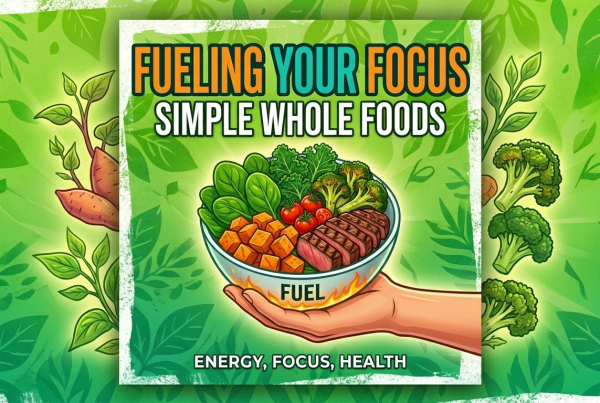
It’s a valid question. We are constantly bombarded with advertisements claiming that a single pill can boost our energy, improve our metabolism, or erase stress. The reality, however, is far more nuanced. While whole foods are always your best source of nutrition—the vibrant colors and natural textures you see on this table must be your foundation—supplements do have a place. The key is in the name: they supplement a healthy lifestyle; they do not replace one.
Why Supplements Are Complex
Before you grab that bottle of “miracle vitamins,” consider this: the supplement industry, unlike the food and pharmaceutical industries, is relatively unregulated. A nutrition label on a food item must meet strict accuracy guidelines, but a supplement bottle can make broad (and often unverifiable) claims.
Furthermore, how supplements are produced varies wildly. You can have two bottles labeled “Vitamin D3,” but one might be a highly bioavailable form derived from natural sources, while the other is a cheap, synthetically made compound that your body will barely absorb. Quality, therefore, is everything.
Focus on These 3 Key Areas First
Instead of chasing the “next big thing,” most of us should focus on filling common, well-documented nutritional gaps.
1. The Critical Deficiencies
In a perfect world, our soil would be rich in minerals, and we’d get plenty of sun. In the modern world, this is rarely the case.
-
Vitamin D: Often called the “sunshine vitamin,” this is crucial for bone health and immune function. Deficiency is incredibly common, especially during winter or for those of us who work indoors. Quality matters here; look for D3 (cholecalciferol) combined with a healthy fat, as it’s fat-soluble.
-
Magnesium: This mineral is involved in over 300 biochemical reactions, from muscle function to stress management. Due to soil depletion, many of us aren’t getting enough from food alone.
2. Gut Health Support
A healthy gut—often referred to as our “second brain”—is foundational for nutrient absorption and overall wellness.
-
Probiotics: These beneficial bacteria support your microbiome. While you must eat fermented foods (like the probiotic-rich fermented options you find in the dairy section) to provide the substrate for a healthy gut, a high-quality, targeted probiotic supplement can help re-establish bacterial diversity, especially after antibiotic use or periods of high stress.
3. Targeted Support (The 1-2 Punch)
-
Quality Protein: Supplements aren’t just vitamins. For my clients who are physically active or working on muscle maintenance, a premium, high-quality protein powder (like a grass-fed whey or a well-sourced vegan blend) can be an essential tool. Like that premium, well-marbled ribeye from our previous discussion, quality is non-negotiable—avoid proteins with heavy binders or excessive artificial sweeteners.
The Final “Golden Rule” of Supplementing
The most important takeaway: You cannot out-supplement a poor diet.
Think of that vibrant salad bowl in the image above. The synergy of nutrients, fiber, and phytonutrients (the colorful compounds) in whole foods cannot be replicated in a pill. Use supplements to fill the inevitable gaps that modern life creates, but never let them displace the quality, whole foods that must be your true fuel.
Coach’s Challenge: Before buying your next supplement, pick one targeted area—like optimizing your sleep or supporting your gut—and research the high-quality, bioavailable forms.